
The layer between the deck and the metal. Under a metal roof it has to handle heat, hold up to foot traffic and keep water out at the eaves and valleys.
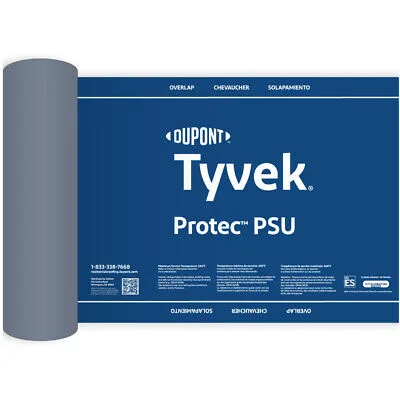 DuPont TyvekDuPont™ Tyvek® Protec™ PSUPrice on request
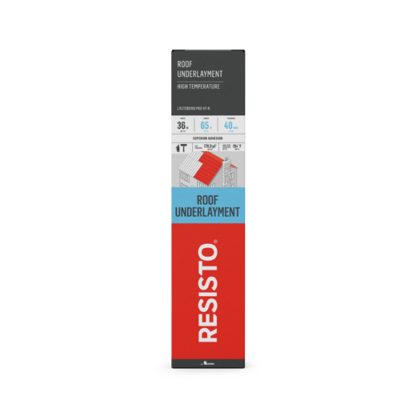 LastobondHigh Temperature Lastobond Pro HT-NPrice on request
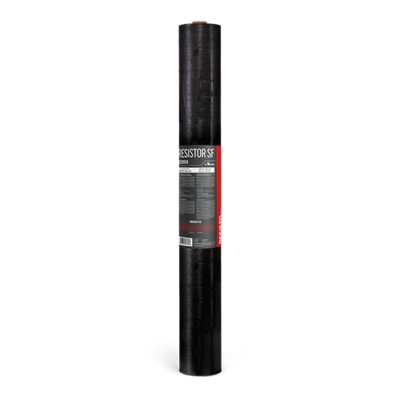 Synthetic Roofing Underlayment Resistor SFPrice on request
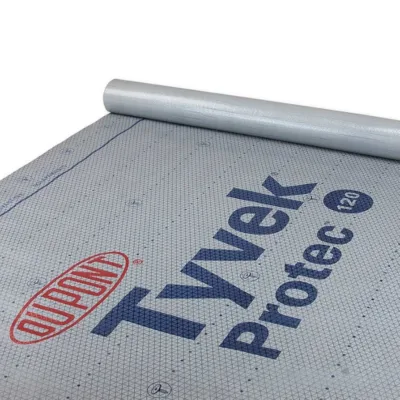 DuPont TyvekTyvek Protec 120 Roof UnderlaymentPrice on request
4 products
What’s in the catalog
- DuPont Tyvek Protec 120, a mechanically fastened synthetic underlayment for the field of the roof.
- DuPont Tyvek Protec PSU, a self-adhered peel-and-stick underlayment for eaves, valleys and other critical areas.
- Lastobond Pro HT-N, a self-adhered high-temperature membrane that seals around nails and screws.
- Synthetic Roofing Underlayment Resistor SF, a synthetic underlayment for the field.
Product sheets for Lastobond Pro HT-N are on our documents and downloads page.
Choosing underlayment for metal
- Heat. Metal roofs run hot, especially in dark colors. Use a product rated for high temperatures where the panel maker calls for it.
- Self-adhered or fastened. Self-adhered membranes seal around fasteners and go where water collects: eaves, valleys and around penetrations. Fastened synthetics cover the rest of the field quickly.
- Code. Where your local code calls for an ice barrier, use a self-adhered membrane at the eaves.
- Exposure time. Each product has a limit on how long it can sit uncovered. Plan the metal install to follow.
- Panel maker’s rules. Some panel warranties name the underlayment. Check before you buy.
Questions
Can I use the same underlayment I use under shingles?
Not always. Metal roofs get hotter, so check the temperature rating and the panel maker’s requirements first.
Do I need peel-and-stick on the whole roof?
Usually not. Most crews use self-adhered membrane at eaves, valleys and penetrations, and a synthetic on the rest. Follow the panel maker and your local code.
How long can underlayment stay exposed?
It depends on the product. The manufacturer’s data sheet lists the limit.
What goes under copper or zinc?
Ask us. Some metals need a slip sheet or a vented mat under them, and the metal maker’s guide says which.
How many rolls do I need?
Divide the roof area by the coverage on the roll label, then add for laps and waste. Ask us if you’re unsure.
Next, pick your roofing coil and clips, or see all accessories.